

unique_ptr, not so fast !
First thing this year, I was happy to post about an idea about using std::unique_ptr as a wrapper for libCurl easy handles. I was happy about the simplicity and I was also happy because copilot guessed what I was going to type when I started, which I took as confirmation this was something people do (how might that little parrot guess, otherwise?). It turns out that it does not even compile, since CURL* really is a void* and my wrapper translates to a unique_ptr<void,...>... Shame. So, ok, never mind, I went back to writing a wrapper myself, constructor, destructor, rule-of-five, nothing special.
At this point, I expect that those still reading are wondering: "what took you so long ? Why didn't you realise straight away that it didn't even compile ?". Well, I was in a tunnel. I was reworking my code to fetch a url so that it'd use coroutines and could be presented like Fetch in Javascript. I'm out of this tunnel now and it lets me write things this way:
    auto res = co_await fetcher.fetch("https://httpbin.org/get");
    auto mimetype = res.getHeader("content-type");
    auto len = res.getHeader("content-length");

    auto json = co_await res.json();
    auto headers = json["headers"].GetObject();
    auto agent = headers["User-Agent"].GetString();
The need for a wrapper came when I split the logic in two parts, so as to be able to get the headers and, once we have them, decide what to do with the contents. This means chaining coroutines and passing the CURL handle from one to the other as we progress... or dispose of the handle if anything unexpected happens. The initial code was using a plain CURL* as its lifetime was straightforward ; with many more cases to take into account, I tend to prefer to rely on something akin to a unique_ptr to avoid leaving any leaks...
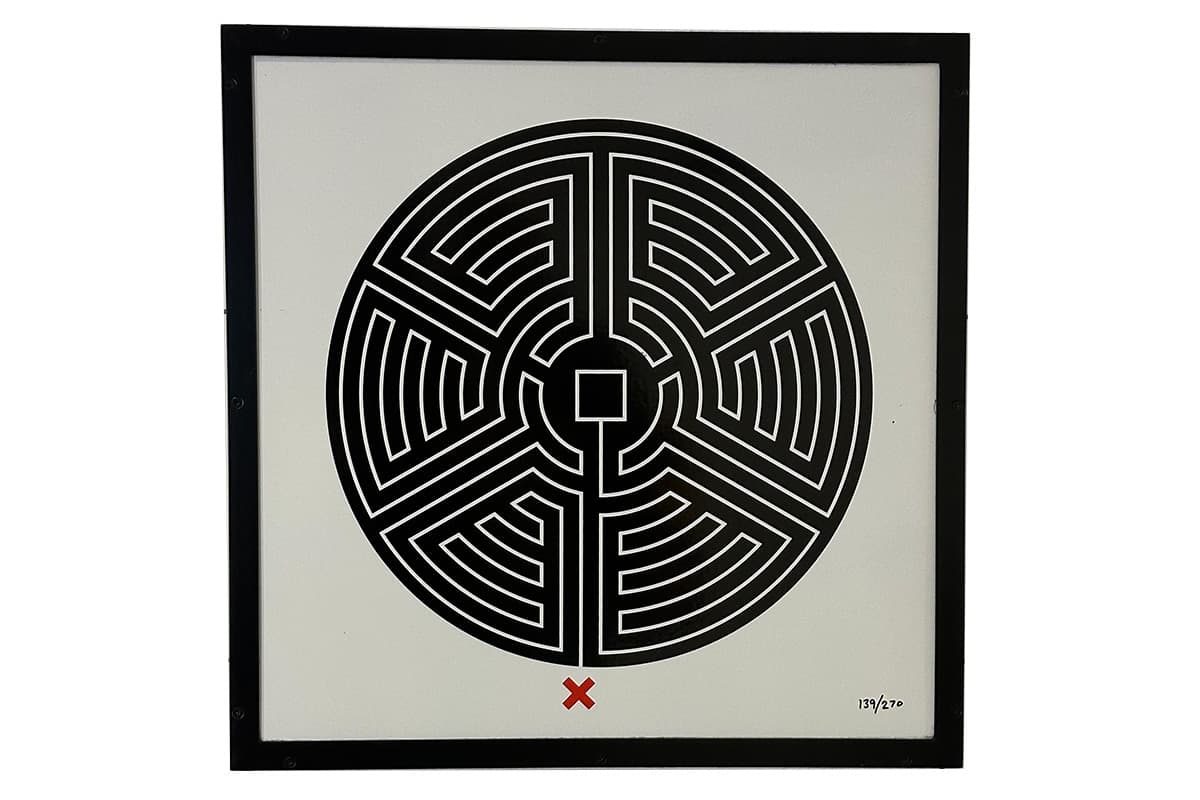
Now, I'm asking myself what led me to publish that first post even though I hadn't tried it yet. This is the reason for my choosing a maze as the illustration for today's post: there are two sorts of mazes, those that are a single path wrapped around itself and those that are like a tree and you want to reach a specific leaf... I think we tend to solve the latter as if they were the former and backtrack when we reach dead ends. That's really what happened here: I thought this was a clean and elegant solution and the rest would just be legwork. I assumed there was nothing left to solve and as always (as they say in "Under Siege II"):
Assumption is the Mother of All Fuckups !

Code
- unique_ptr, the ultimate wrapper
- Data duplication
- unique_ptr, not so fast !